A Crust You Can Trust
If pie crust has ever made you nervous, you’re not alone. I’ve watched confident home cooks crumble at the idea of rolling dough. Too dry. Too sticky. Shrinks in the oven. Turns tough. Burns at the edges. Sounds familiar?
That’s exactly why No Fail Pie Crust III exists.
This recipe isn’t about showing off. It’s about control. It’s about understanding what matters and ignoring the rest. When you make this crust, you’re not crossing your fingers. You’re following a system that works because the ingredients behave predictably and the method respects them.
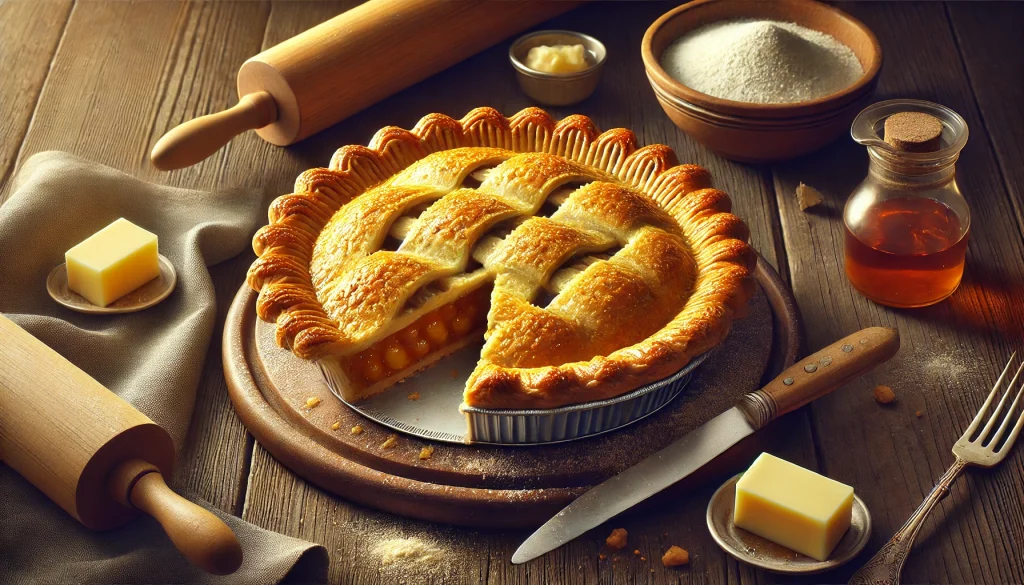
I’ve tested this crust for fruit pies, custard pies, savory quiches, hand pies, and galettes. I’ve used it in hot kitchens, cold kitchens, and tiny apartment ovens that heat unevenly. It holds up. It rolls clean. It bakes flaky without being fragile.
Here’s the quiet truth most recipes don’t say out loud: pie crust fails because we rush it or overthink it. This one slows you down just enough and removes the guesswork.
And yes, one small safety note before we begin: once your dough is mixed, keep it chilled below 40°F if you’re not rolling it right away. Cold fat is non-negotiable here.
Let me walk you through it the way I would if we were standing side by side at the counter.
Recipe at a Glance
| Detail | Info |
|---|---|
| Prep Time | 15 minutes |
| Cook Time | Depends on filling |
| Total Time | 15 minutes + chill |
| Servings | 2 pie crusts |
| Difficulty | Easy |
| Calories | ~220 kcal per slice (crust only) |
You’ll need
- Large mixing bowl
- Pastry cutter or fork
- Measuring cups and spoons
- Plastic wrap
- Rolling pin
Ingredients and Smart Swaps
This crust works because the ingredient list is boring in the best way. No gimmicks. No trendy extras.
Core Ingredients
All-purpose flour
- 2 1/2 cups (300 g)
This gives you structure without toughness.
Salt
- 1 teaspoon
It doesn’t make the crust salty. It makes it taste like something.
Cold fat (shortening or butter)
- 1 cup (225 g)
This is where flakiness is born.
Ice-cold water
- 1/2 cup (120 ml)
Cold water keeps the fat from melting too early.
Smart Swaps That Actually Work
Butter vs shortening
- Butter gives flavor and browning.
- Shortening gives tenderness and easy handling.
- Half butter, half shortening gives balance. This is my go-to.
Flour alternatives
- Pastry flour works if you want extra tenderness.
- Avoid bread flour. Too much protein. Too much chew.
Water upgrades
- Replace 2 tablespoons of water with vodka for ultra-flaky layers. The alcohol bakes off.
Why This Crust Never Fails
Here’s what matters.
Cold fat equals flaky layers
When cold fat hits a hot oven, it melts fast and releases steam. That steam pushes layers apart. That’s flakiness.
Minimal mixing prevents toughness
The moment flour meets water, gluten starts forming. We stop before it gets ideas.
Proper hydration keeps it rollable
Dry dough cracks. Wet dough sticks. This ratio lands right in the middle.
Resting the dough relaxes everything
Gluten chills out. Fat firms up. Rolling becomes easy.
This isn’t magic. It’s physics with better timing.
Let’s Make the Dough
Stay relaxed here. The dough can sense panic. I’m only half joking.
Step 1: Mix the dry ingredients
In a large bowl, whisk together flour and salt until evenly combined. No lumps. No streaks.
Step 2: Cut in the fat
Add cold fat in chunks. Use a pastry cutter or fork to cut it into the flour.
Stop when the mixture looks like coarse crumbs with a few pea-sized pieces.
Those visible pieces matter. They become flaky pockets later.
Step 3: Add water slowly
Drizzle in ice-cold water a little at a time. Toss gently with a fork.
Stop the moment the dough holds together when pinched.
If it looks shaggy, you’re doing it right.
Step 4: Divide and rest
Split dough into two portions. Flatten into disks. Wrap tightly.
Chill at least 30 minutes.
If your kitchen is warm, give it an hour.
Rolling Without Stress
Rolling scares people more than mixing. Let’s fix that.
Lightly flour your surface. Place dough in the center. Start rolling from the middle outward, turning the dough slightly after each pass.
If it cracks at the edges, pinch it back together. If it sticks, dust lightly. Gentle fixes beat force every time.
Roll to about 1/8-inch thickness. Transfer carefully to your pie dish and let the dough relax into place. Don’t stretch it. Stretching equals shrinkage.
Variations You’ll Actually Use
Fast and Easy Weeknight Crust
Skip fancy fluting. Press dough directly into the pan. Trim. Done.
Savory Herb Crust
Add 1 teaspoon dried thyme or rosemary to the flour. Perfect for quiche.
Sweet Dessert Crust
Add 1 tablespoon sugar to the dry mix. Subtle sweetness, no candy vibes.
Extra-Flaky Showstopper
Fold the dough once like a letter before rolling. Instant lamination.
Vegan-Friendly Version
Use solid coconut oil or vegan butter. Keep it cold and work quickly.
Nutrition Snapshot
| Nutrient | Approx |
|---|---|
| Calories | 220 kcal |
| Protein | 3 g |
| Carbs | 20 g |
| Fat | 14 g |
| Fiber | 1 g |
| Sodium | ~180 mg |
Simple ingredients. Predictable nutrition. No surprises.
Keep It Fresh and Flaky
Refrigerator
Wrapped dough lasts 3 days.
Freezer
Freeze up to 3 months. Thaw overnight in the fridge.
Room temperature rule
Don’t leave raw dough out more than 2 hours.
Baked crusts can be stored at room temperature for one day or frozen after cooling.
How to Serve It Right
This crust plays well with everything.
- Apple pie with cinnamon
- Lemon custard for brightness
- Savory mushroom and cheese fillings
- Rustic galettes with stone fruit
For plating, keep it simple. Clean slices. A light dusting of sugar or a dollop of whipped cream. Let the crust do the talking.
Final Thoughts from My Kitchen
Here’s the bottom line.
A good pie crust isn’t about talent. It’s about respect. Respect for temperature. For timing. For restraint.
No Fail Pie Crust III works because it doesn’t fight the ingredients. It lets them do their job. Once you’ve made it a few times, your hands will learn the texture faster than your brain ever could.
Bake it. Break it. Fix it. That’s how confidence grows.
When you make this crust, I want you to notice how calm it feels. That’s how you know it’s right.
And when someone asks how you got it so flaky, just smile and say,
“It’s a no-fail recipe.”
When you’re ready, tell me what filling you want next.

Chef Lily is a creative home-cooking expert with professional kitchen experience and a love for global flavors. She creates colorful, approachable recipes that help everyday cooks turn simple ingredients into flavorful, well-presented meals.