Let me walk you through the real reasons food stays soggy, pale, or unevenly browned and how to fix each one without fancy tools or restaurant tricks.
First, what “crispy” actually means
Crispiness happens when moisture escapes and the surface dries out enough to brown. That browning is flavor. If water is trapped, heat gets wasted turning it into steam instead of creating crunch.
So every fix you’ll see below comes back to one question: where is the moisture coming from, and why isn’t heat doing its job?
Problem 1: Soggy coatings that never crisp
This is the most common complaint. Breaded chicken. Fried zucchini. Oven fries. Everything looks right going in, then comes out soft.
What’s really happening
Your coating is absorbing moisture faster than it can dry. That moisture can come from the food itself, a wet batter, or overcrowding.
How to fix it
Dry the surface first. Always. Pat meat, vegetables, or tofu dry with paper towels. If it feels damp, the coating never had a chance.
Use layers that make sense. Flour alone is not enough. Flour dries the surface, egg helps things stick, and breadcrumbs or crumbs create air gaps. Skip one and you lose structure.
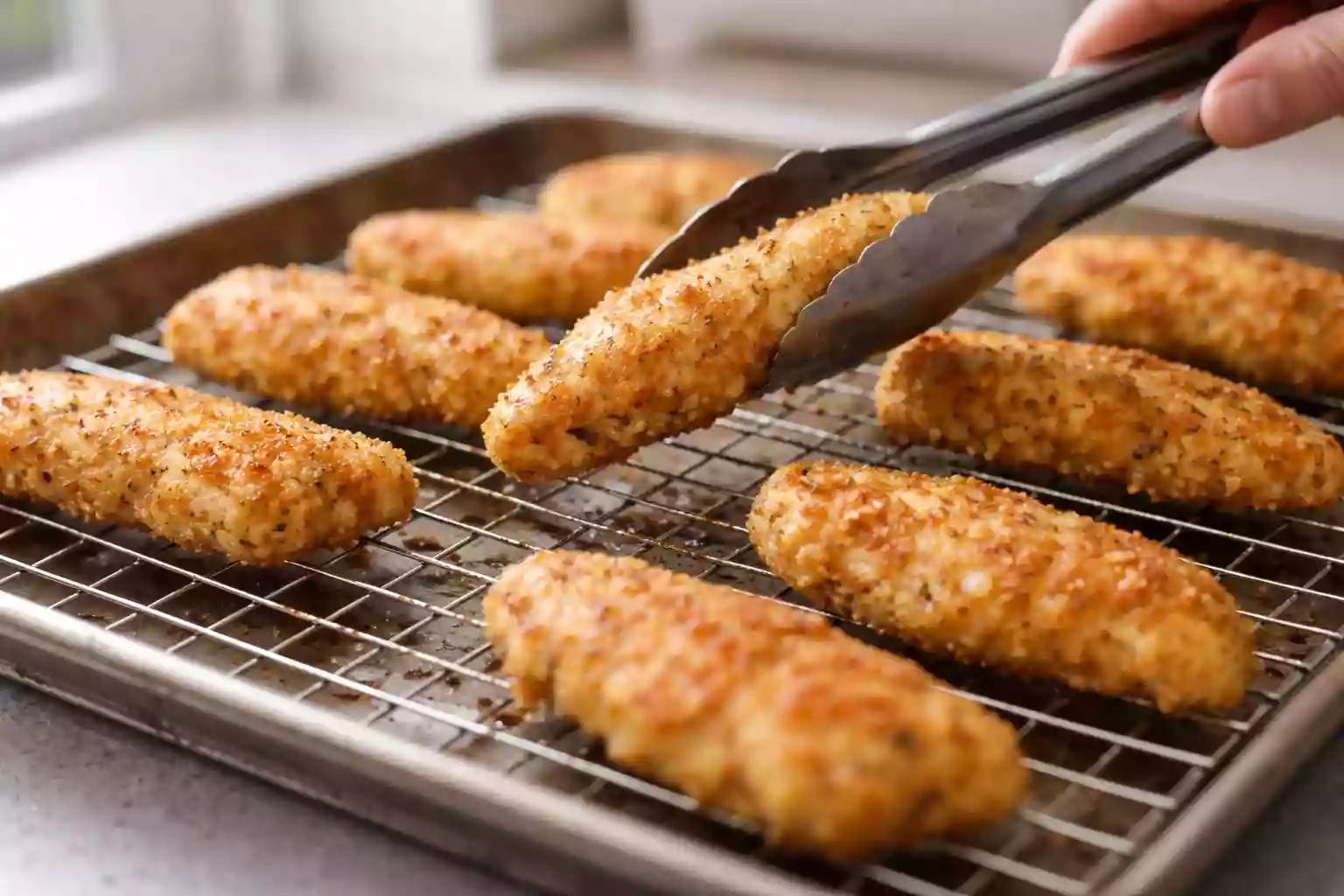
Rest breaded food before cooking. Five to ten minutes on a rack lets the coating hydrate evenly and cling instead of sliding off and steaming.
Choose the right crumbs. Panko stays crisp because it’s airy. Fine crumbs compact and trap moisture.
Use a rack, not a flat pan. Air needs to circulate. A rack lifts food so steam escapes instead of soaking back in.
Bottom line: moisture control beats more oil every time.
Problem 2: Pale food with no color
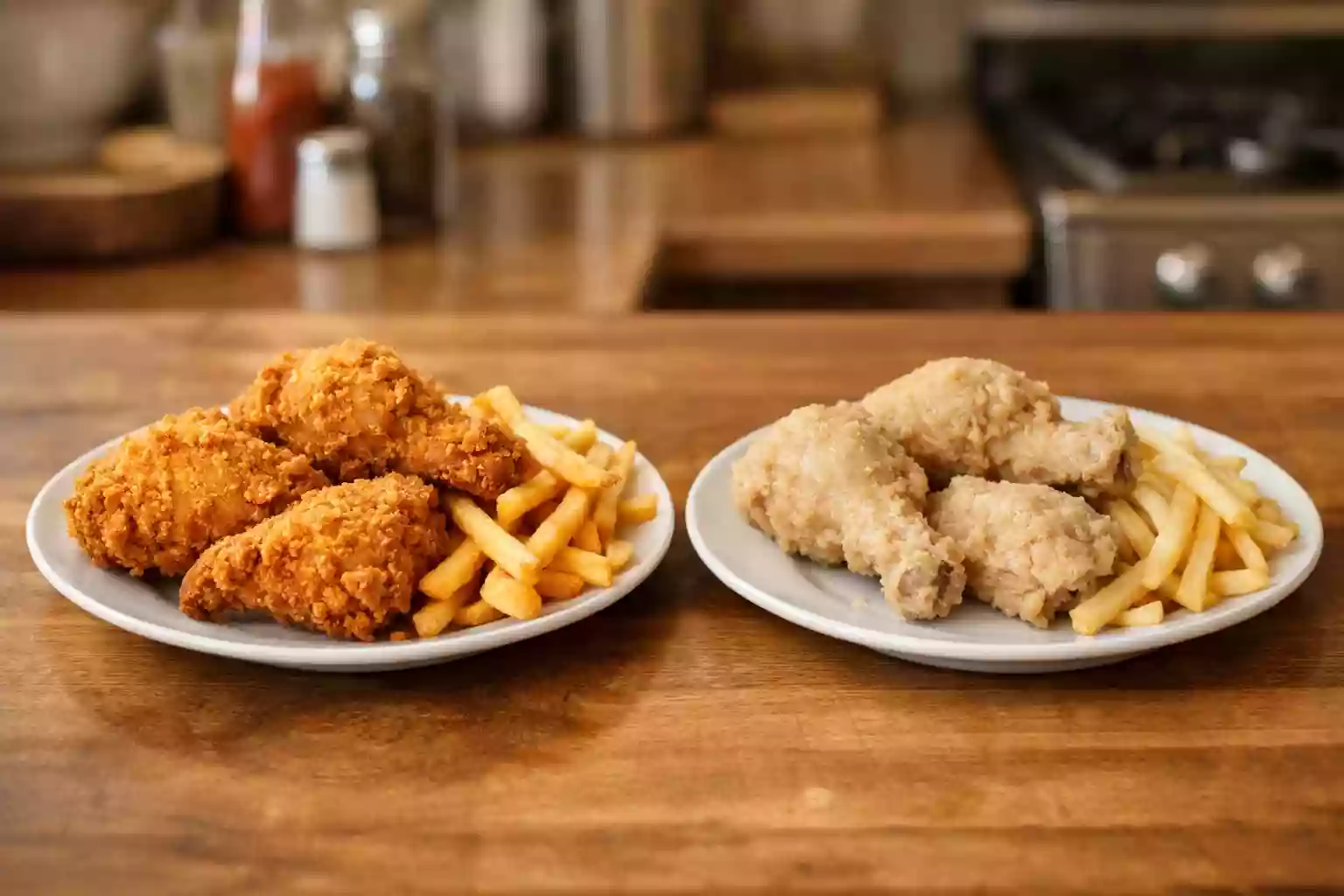
Your food cooks through but looks sad. No golden edges. No visual crunch.
What’s really happening
The heat is too low or the surface is too wet to brown. Browning needs dry heat and enough temperature to trigger it.
How to fix it
Turn up the heat. Crispy cooking usually starts around 425°F (220°C) in the oven or a properly preheated air fryer. Lower heat cooks gently but never browns.
Preheat longer than you think. A cold oven or air fryer delays browning and encourages moisture buildup.
Use oil correctly. A light coating helps transfer heat. Too little and the surface dries unevenly. Too much and it fries itself soggy.
Don’t cover the food. Foil traps steam. If you need to protect something, uncover it at the end to finish crisping.
If it looks pale, it probably is. Color is a signal that texture is developing.
Problem 3: Uneven browning and random soft spots
One side crunchy. One side floppy. One piece perfect, the next disappointing.
What’s really happening
Heat isn’t reaching all surfaces evenly. This usually comes from overcrowding or skipping the flip.
How to fix it
Give food space. If pieces touch, they steam each other. Cook in batches if needed.
Flip halfway. Even in air fryers. Even on racks. Heat comes from a direction, and surfaces need exposure.
Rotate pans. Home ovens have hot spots. A quick turn halfway through can fix half your problems.
Use consistent sizing. Small pieces cook faster and burn while larger ones stay soft.
Consistency equals predictability. Predictability equals crisp.
Problem 4: Crispy outside, soggy inside
This one hurts because it looks right until you bite into it.
What’s really happening
The exterior browns before internal moisture escapes. Thick foods trap steam.
How to fix it
Par-cook first. Potatoes benefit from boiling or steaming before roasting. Moisture escapes early, then crisping happens later.
Lower heat slightly and extend time. This gives the interior a chance to release moisture before the exterior overbrowns.
Cut strategically. Thinner cuts crisp more evenly. Thick slabs are harder to dry out.
Rest briefly after cooking. Steam redistributes. Cutting immediately can trap moisture inside.
Crisp food finishes cooking after heat stops. Give it a moment.
Problem 5: Air fryer food that dries out but isn’t crispy
This surprises people. Air fryers move a lot of hot air, but air alone doesn’t guarantee crunch.
What’s really happening
Too little fat or too much moisture at the start.
How to fix it
Lightly oil the food, not the basket. Oil on the surface matters more than oil below it.
Shake or flip often. Air fryers heat aggressively from one direction.
Avoid wet batters. Air fryers love dry coatings. Wet batter drips, steams, and sets poorly.
Preheat. Yes, even air fryers. Starting hot makes a big difference.
Air fryers reward precision. Small tweaks change everything.
Problem 6: Fried food that turns soft after cooking
It was crispy. Then it sat. Now it’s sad.
What’s really happening
Steam is trapped as food cools. Fried food releases moisture even after it leaves oil.
How to fix it
Drain on a rack, not paper towels. Paper traps steam underneath.
Salt after draining, not immediately. Salt draws moisture to the surface.
Keep warm in a low oven with airflow. Around 200°F (95°C) on a rack works.
Never stack hot fried food. Ever.
Crispness hates humidity. Treat it that way.
The oil myth: more oil does not mean more crisp
This needs saying clearly. Drowning food in oil often makes it soggy.
Oil helps heat move. It does not replace dryness or space. Thin, even coating beats puddles every time.
If food absorbs oil instead of sizzling on contact, the oil is too cool.
Hot oil seals. Cool oil soaks.
The one checklist that fixes most crispy failures
Before you cook, ask yourself:
Is the surface dry?
Is the heat high enough?
Is there space between pieces?
Can steam escape?
If the answer to any of those is no, fix that first.
Final thought from Snack Sarah
Crispy food isn’t mysterious. It’s just honest. It tells you when moisture and heat are balanced and when they’re not.
Once you stop blaming the recipe and start adjusting the method, everything changes. Fries get louder. Coatings shatter instead of sag. Leftovers actually reheat well.
Crunch is a skill. Now you have it.

Snack Sarah is a recipe developer specializing in crispy snacks made for ovens and air fryers. She tests every recipe for texture and flavor, helping busy families and snack lovers create reliable, crunchy bites for any occasion.